Compulsory drug treatment: degree of effectiveness
It is often difficult for drug addicts to give up drugs on their own, and it is not easy to make them “get off the needle”. They do not realize the seriousness of the situation and try to pretend that everything is going on as usual.
In just words, it is impossible to arouse in a drug addict a desire to get rid of an addiction. If he is locked in a room and not given the desired dose, it is not a fact that after he is released, he will not go to look for the dose.
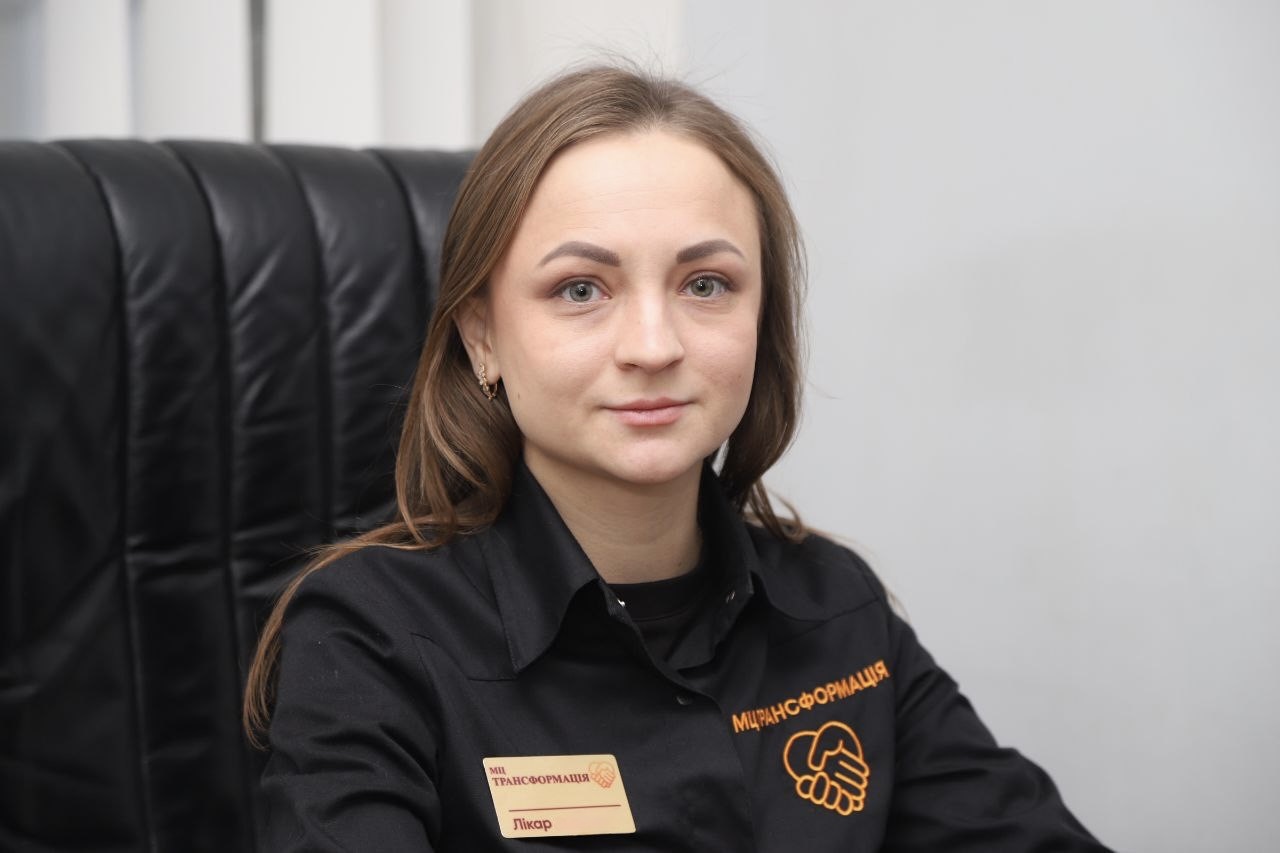
Compulsory drug treatment is seldom effective, and in rare cases this approach is allowed. The task of relatives is to convince the drug addict to agree to a consultation with a specialist from the Transformation Medical Center. Often, experienced doctors manage to convince the patient of the need for a full-fledged treatment.
In the clinic for the treatment of drug addicts “Transformation”, the necessary environment will be provided, appropriate drugs will be prescribed and serious psychological work will be carried out to help convince the patient that there is a problem. The clinic maintains strict control of clients, employees monitor discipline, while using non-narcotic painkillers in order to alleviate the patient’s condition.
The center uses special programs that are aimed at solving a number of problems:
- study of the psychological state of the patient;
- working through the problems that preceded the development of addiction;
- acceptance by the patient of himself as a person who has no desire to take drugs;
- learning to cooperate with others and socialization.
Medical assistance to drug addicts should be combined with the study of problems so that the patient understands the situation and understands that something needs to be changed. Only if a person himself wants to move on and receive help from doctors and psychologists, the methods will be effective and give results.
Drug addiction treatment: methods
Treatment of drug addicts is a set of measures that help to gradually solve the problem. If at the first stage drugs are necessarily used that reduce cravings for drugs and non-narcotic substances to alleviate the patient’s condition, then, in the future, an active study of the problem with psychologists and interaction with society begins. There are 4 main methods of working with drug addicted patients.
- Drug therapy. The goal of treatment is to remove poisonous elements from the patient’s body, as well as getting rid of susceptibility to drugs. Tablets are actively used to suppress the desire for further use of substances that destroy the body.
- Psychotherapeutic support. Interaction with a specialist will help to identify the root causes of cravings for drugs and will provide an opportunity to draw up a plan for further work with the patient. This is necessary to work off psychological trauma in order to lead to the need to get rid of addiction.
- Formation of a favorable environment. Surrounding people and society influence the formation of bad habits in humans. A clinic with a healthy atmosphere and lack of access to drugs allows the patient to understand that it is possible and necessary to live without drugs.
- Socialization. Teaching the patient to understand the normal way of life: work, hobbies, family, friends. The process also creates a psychological block to prevent relapse.
In the treatment of addiction, drugs are only part of what will improve physical condition, eliminating withdrawal symptoms and reducing cravings for harmful drugs. Having studied the feedback from the clinic’s clients, one can understand that this approach is highly effective and allows patients to return to normal life.
Treatment for drug addiction: the main stages
Addiction treatment includes four main stages.
- Analysis of the patient’s condition and a comprehensive medical and psychological examination.
- Drug treatment with non-narcotic drugs. At this stage, toxins and drug residues are removed from the body, helping to overcome the “withdrawal” effect.
- Intensive care according to the system developed taking into account the individual situation of the patient. A large number of techniques are used, including medical and manual methods, group and individual therapy with a psychotherapist or psychiatrist.
- Rehabilitation process, during which new aspirations and goals are formed in patients for further socialization.