At-home binge withdrawal (IV drip)* price depends on location
from 2000 UAH
Hangover IV drip at home (visit)* price depends on location
from 2000 UAH
Transportation to the clinic* price depends on location
from 700 UAH
Specialist Consultation
Narcologist consultation
1000 UAH
Psychiatrist consultation
1000 UAH
Psychologist consultation
1000 UAH
Psychotherapist consultationPsychoanalysis of the causes of alcoholism, motivation for treatment. * Provided that the client remains for further treatment, the consultation is included in the cost
Bipolar disorder treatment in Kropyvnytskyi is part of the psychiatric care provided by the Transformation Medical Center. Appointments are held at the branch at 23g Vasylia Nikitina St., daily from 8:00 to 19:00. The psychiatrist carries out diagnostics, orders tests if needed and selects treatment: medication, psychotherapy or a combination.
Consultations are confidential; information about the patient is not shared with employers or other third parties. In acute conditions, admission to the inpatient unit with 24/7 supervision is possible. You can book at (099) 103 05 05.
Bipolar affective disorder requires proper treatment. Manic-depressive psychosis, or BAD, is a severe mental illness. Patients’ quality of life declines, severe depressive states occur and the risk of suicide increases, so it is necessary to see specialists in time.
Bipolar disorder is a mental illness
BAD is a disorder that psychiatrists consider endogenous in nature. The main cause is an imbalance of biologically active chemicals in the brain. People with a family history of severe mental illness are at risk.
Bipolar disorder can have various causes:
Heredity. Genetics contribute to the disease in 70% of cases.
Environment. External factors are the trigger in 30% of cases, of which 22% are stressful situations, conflicts at home and work, or the death of a loved one. Drug or alcohol use can also be a trigger. In 8% of cases the disorder appears for no apparent reason.
Affective disorder appears suddenly and develops in people aged 20 to 30, but it may remain unrecognized for a long time if the patient ignores the symptoms or is misdiagnosed.
Bipolar disorder and its classification
There is no clear classification of affective disorder. The division is based on the symptoms observed in the patient.
The following types are distinguished:
unipolar (only manic or only depressive episodes);
bipolar (with alternating phases of one direction);
distinctly bipolar (episodes of equal intensity and duration).
In the American classification, bipolar I disorder is a condition with pronounced, distinct manic phases. The second type does not have these symptoms; it involves milder hypomanic episodes. However, the second type can easily turn into a state with pronounced mania, which greatly complicates diagnosis.
There is also an opinion that bipolar II disorder and severe unipolar depression have similar manifestations. The international classification distinguishes two variants: mania and depression. This typology is used in Ukrainian medicine.
The classification based on the course of the disease distinguishes the following types:
unipolar or monopolar;
periodic mania (pronounced manic symptoms alternating with intermediate phases);
Bipolar depression is more common than the manic phase. Losing the ability to taste food often leads to loss of appetite and weight loss.
The symptoms are almost unnoticeable at first and appear only over time:
Initial – general tone drops, movement and thinking slow down. Sleep problems appear.
Increasing – apathy, lethargy, anxiety, disturbed sleep and appetite, insomnia, a sharp reduction in food intake.
Pronounced – low mood, sadness and anxiety, no desire to talk, slow and quiet speech, anorexia, loss of strength and severe fatigue.
Reactive – symptoms decrease almost to zero, and activity returns.
Signs of manic-type bipolar disorder
Manic disorder is accompanied by elevated mood, increased activity and excitement.
Stages of manic bipolar disorder
Hypomanic – a significant rise in mood and activity. The person cannot concentrate, talks quickly and eagerly, sleeps little and has a good appetite.
Pronounced mania – the signs of hypomania become stronger; talkativeness and excessive laughter often turn into anger, speech becomes incoherent and it is hard to establish cause-and-effect relationships. Sleep takes no more than 4–5 hours a day.
Manic frenzy – illogical reasoning, motor agitation, incoherent speech.
Calming – excitement in all areas of activity decreases, while elevated mood remains.
Reactive – similar to the initial stage, when the patient is completely calm and slowed down. Hyperactivity and excitement disappear.
To determine the severity of BAD, psychiatrists at King’s College London developed the YMRS diagnostic scale.
Symptoms affecting mood, thinking and motor activity change periodically. One aspect becomes more pronounced than the others.
Mixed symptoms greatly complicate diagnosis and the choice of treatment. This group of patients requires special attention, as the risk of suicide increases. Half of patients aged 17 to 21 with signs of a mixed state commit suicide, so treatment should not be delayed.
Bipolar disorder: treatment
Treating bipolar disorder involves constant supervision by a doctor, taking medications and following preventive measures.
How to improve your health:
see a psychiatrist regularly and follow their instructions;
take medications on time at the right dose;
keep a diary of your states and mood changes;
go to school or work;
complete a course of psychotherapy;
stay in touch with loved ones and family.
BAD is a chronic disease, but with the right medications it can be managed and kept under control. Specialists at the Transformation clinic’s branch in Kropyvnytskyi diagnose mental disorders and select effective treatments. If the regimen and medical instructions are followed, the patient’s condition stabilizes, allowing them to return to their usual life.
Our inpatient unit
In our clinic, every ward and treatment room offers comfortable conditions for your treatment and recovery. We have tried to create maximum comfort and a sense of care for our patients.
Our wards include:
single VIP rooms;
double rooms (superior comfort);
triple rooms;
four-bed rooms.
Each room has air conditioning, a kettle, a TV, a fridge, and disposable (individual) personal hygiene and household items.
There is also wireless Wi-Fi, so everyone can use the internet without restrictions.
Another important part of comfortable treatment is nutrition. Our clinic offers three balanced meals a day.
Our doctors have developed a special nutrition system so that everyone staying with us can not only cleanse their body but also enjoy high-quality, healthy food. Food is the building material for a healthy body.
At our clinic, we use and offer you every element of recovery for both body and mind.
Additional services of the Transformation Medical Center in Kropyvnytskyi
How long does inpatient treatment of bipolar disorder take?
BAD is a chronic relapsing disorder. During an exacerbation, both the manic and depressive phases are treated for 14 days to a month; the acute state can sometimes be relieved in the first week of active treatment
Where is the Transformation branch in Kropyvnytskyi?
The branch is located at 23g Vasylia Nikitina St., Kropyvnytskyi. Opening hours: daily from 8:00 to 19:00. Before your visit, we recommend calling (099) 103 05 05 to agree on a time.
How do I book bipolar disorder treatment in Kropyvnytskyi?
Call (099) 103 05 05 or leave a request on the website. The administrator will answer your questions, give you an idea of the cost and find a convenient time for a consultation. Your inquiry is anonymous.
Which doctors see patients in Kropyvnytskyi?
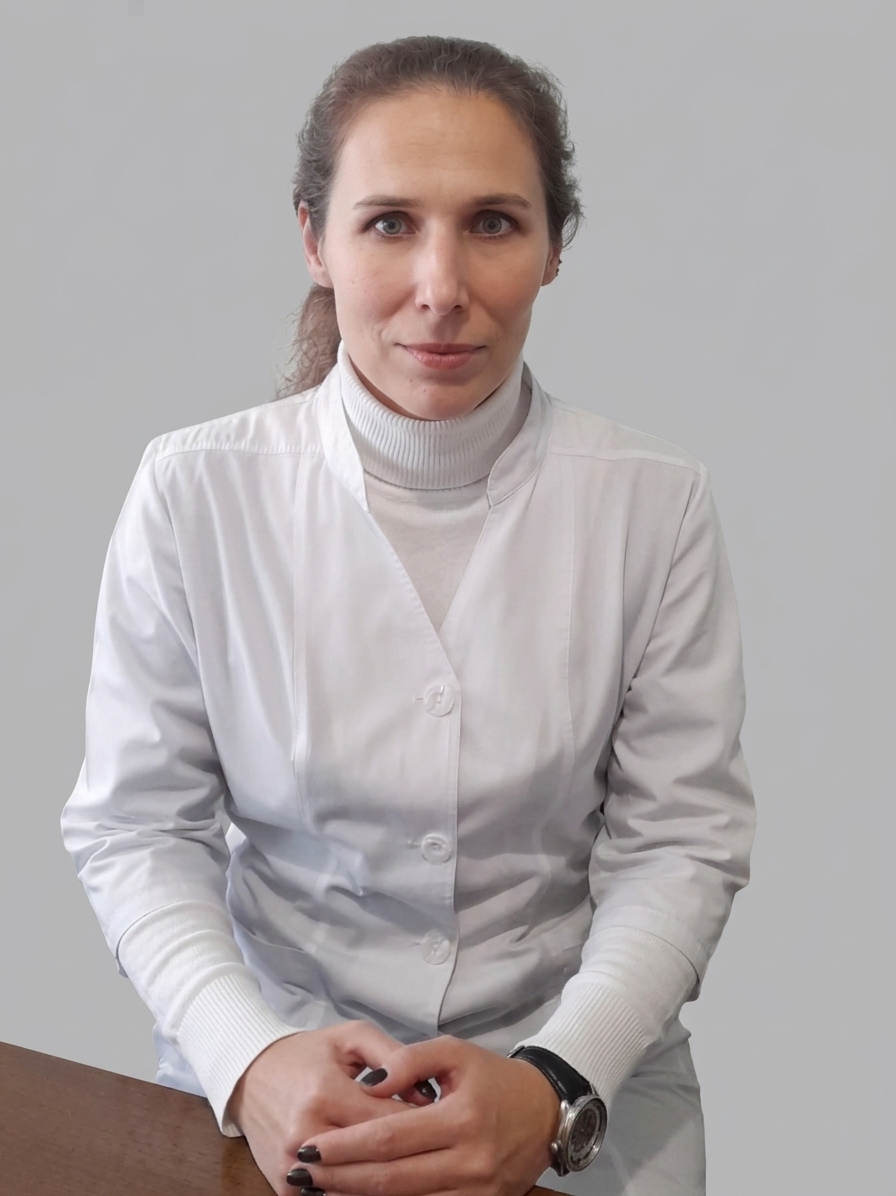
Patients of the branch are consulted by addiction specialist Tatiana Gurenko and other specialists of the center. Doctors’ profiles with their education and certificates are published on the “Our doctors” page.
How useful was this post? Click on the star to rate!