Compulsory drug addiction treatment: how effective it is
People with drug addiction often find it hard to give up drugs on their own, and it is not easy to make them “get clean”. They do not realize how serious the situation is and pretend everything is fine.
Words alone cannot make a person with drug addiction want to break the habit. If you lock them in a room and deny them the dose, there is no guarantee they will not go looking for it once released.
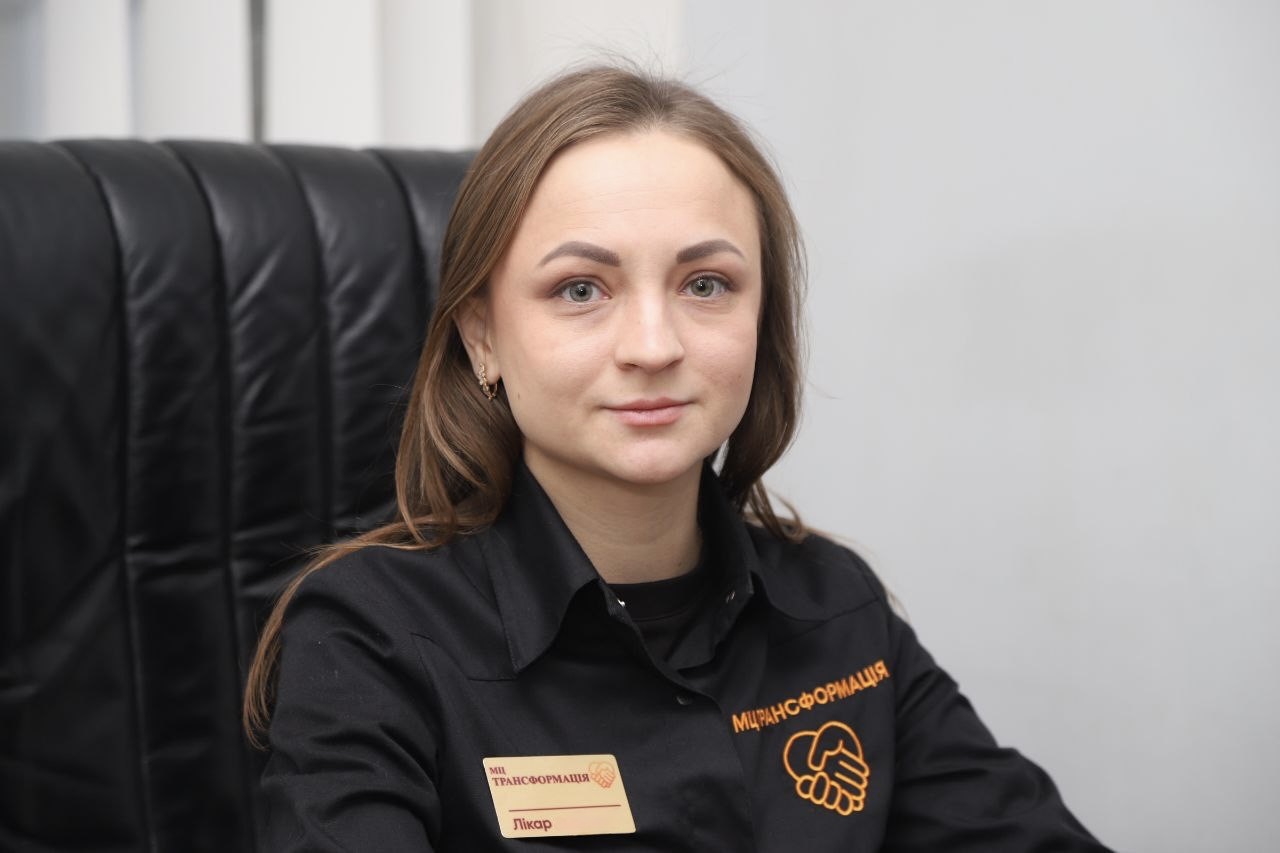
Compulsory drug addiction treatment is rarely effective, and this approach is allowed only in rare cases. The task of relatives is to persuade the person to agree to a consultation with a specialist at the Transformation Medical Center. Experienced doctors are often able to convince the patient that full treatment is necessary.
At the Transformation addiction clinic, the right environment is provided, appropriate medications are prescribed and serious psychological work is carried out to help the patient acknowledge the problem. The clinic maintains strict control, staff monitor discipline, and drug-free painkillers are used to ease the patient’s condition.
The center uses special programs aimed at solving a number of tasks:
- studying the patient’s psychological state;
- working through the problems that preceded the addiction;
- helping the patient accept themselves as a person who has no desire to take drugs;
- learning to cooperate with others and socialization.
Medical help for drug addiction must go hand in hand with working through problems, so that the patient understands the situation and realizes that something needs to change. The methods will only be effective and bring results if the person wants to move forward and accept help from doctors and psychologists.
Drug addiction treatment: methods
Drug addiction treatment is a set of measures that help solve the problem step by step. At the first stage, medications that reduce drug cravings and non-narcotic drugs to ease the condition are mandatory; later, active work with psychologists and social interaction begins. There are 4 main methods of working with patients with drug addiction.
- Drug therapy. The goal is to remove toxic elements from the body and reduce susceptibility to drugs. Pills are actively used to suppress the desire to keep using substances that destroy the body.
- Psychotherapeutic support. Working with a specialist helps identify the root causes of drug cravings and plan further work with the patient. This is needed to work through psychological trauma and lead the person to the need to overcome the addiction.
- A supportive environment. The people around us and society influence the formation of bad habits. A clinic with a healthy atmosphere and no access to drugs helps the patient understand that it is possible and necessary to live without them.
- Socialization. Teaching the patient to understand a normal lifestyle: work, hobbies, family, friends. A psychological block against relapse is also built in the process.
In drug addiction treatment, medications are only part of what improves physical condition by relieving withdrawal and reducing cravings for harmful drugs. Client reviews show that this approach is highly effective and helps patients return to normal life.
Drug addiction treatment: the main stages
Drug addiction treatment includes four main stages.
- Assessment of the patient’s condition and a comprehensive medical and psychological examination.
- Drug treatment with non-narcotic medications. At this stage, toxins and drug residues are removed from the body and the patient is helped through withdrawal.
- Intensive therapy according to a system designed for the patient’s individual situation. Many techniques are used, including medical and manual methods and group and individual therapy with a psychotherapist or psychiatrist.
- Rehabilitation, during which patients form new aspirations and goals for further socialization.